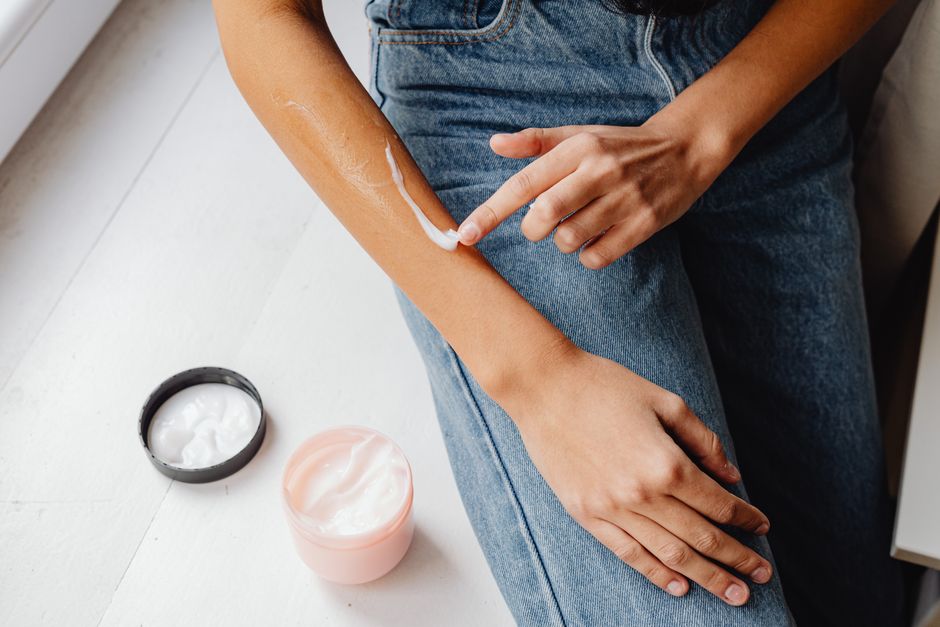
The quest for glowing skin is universal, and in Nigeria, it's more than just a beauty goal—it's a cultural aspiration. With the plethora of skincare products in the market, one might feel overwhelmed or even skeptical about what to choose. However, the answer might be lying in your kitchen or local market. Natural remedies have been trusted for generations, offering not just sustainable beauty solutions but also promoting overall skin health. Let's dive into these natural treasures and discover how you can incorporate them into your skincare routine for that enviable glow.
In a country blessed with rich natural resources, the options for natural skincare remedies are endless. From the nourishing oils of shea butter to the vitamin-packed fruits available in local markets, these ingredients offer a holistic approach to skincare. The emphasis on natural remedies is not just about going au naturel; it's about harnessing the power of nature to create effective skincare solutions tailored to the Nigerian climate and lifestyle. Whether you're dealing with oily skin, dryness, or the infamous Lagos dust, there's a natural remedy that can work wonders for you.
Join us as we explore some of Nigeria's best-kept skincare secrets. This article will guide you through understanding the benefits, application methods, and results you can achieve with natural remedies. You'll not only save money but also support your well-being with these eco-friendly solutions.
The Power of Shea Butter
Why Shea Butter is a Nigerian Favorite
Shea butter, derived from the nuts of the shea tree, is often referred to as 'women's gold.' It's a staple in Nigerian households and for good reason. Rich in vitamins A and E, it provides deep moisturization, which is essential for maintaining skin's elasticity and suppleness.
How to Use Shea Butter
- As a moisturizer: Apply a small amount to your face and body after showering.
- For dry patches: Focus on elbows, knees, and heels for soft, hydrated skin.
- In haircare: Use it as a leave-in treatment to combat dryness and breakage.
"Shea butter is not just a moisturizer; it’s a rejuvenator," says skincare expert, Chidinma Okeke.
Nourishing Power of African Black Soap
Understanding Its Benefits
African black soap is praised for its purifying and clarifying properties. Made from plantain skins, cocoa pod ash, and natural oils, it is particularly beneficial for acne-prone skin.
Application Tips
Use it as a gentle cleanser, lathering it in your hands before applying it to your face. Rinse with lukewarm water to avoid drying out the skin.
The Role of Aloe Vera
Hydration and Healing
Aloe vera is a succulent plant with anti-inflammatory properties. It's excellent for soothing sunburns, irritation, and minor cuts.
Incorporating Aloe Vera into Your Routine
- Face mask: Apply fresh aloe vera gel to your face and leave on for 15 minutes before rinsing.
- After-sun care: Use aloe gel to soothe and hydrate the skin after sun exposure.
Exfoliating with Sugar and Honey
Benefits of Natural Exfoliation
Exfoliation helps to remove dead skin cells, revealing healthier skin underneath. When combined, sugar and honey create a powerful yet gentle exfoliant.
DIY Exfoliation Method
Mix equal parts sugar and honey to create a paste. Gently massage into the skin in circular motions, then rinse with warm water.
"Natural exfoliation is key to achieving a smooth, radiant complexion," advises beauty therapist, Aisha Lawal.
Final Thoughts
Embracing natural remedies for skincare not only enhances your beauty routine but also connects you with traditions that emphasize sustainability and health. By using ingredients that are readily available in Nigeria, you support local economies and reduce your environmental footprint. Next time you're considering a new beauty product, remember that the best solutions might be right at your fingertips—or in your backyard. With these natural remedies, achieving glowing skin is not just a dream but a beautiful reality.