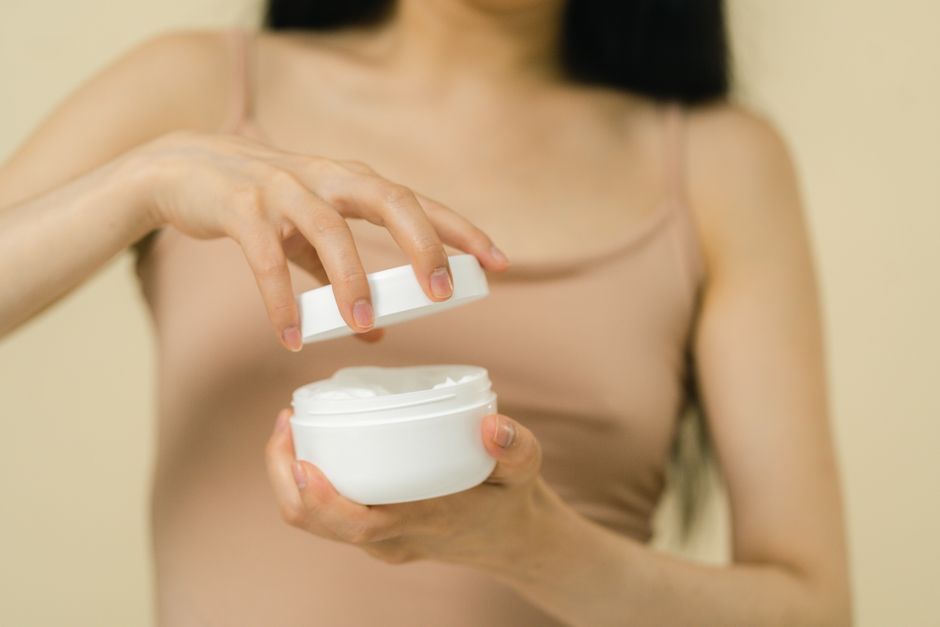
Exfoliation is a cherished step in many skincare routines, promising a fresh, glowing complexion by sloughing off dead skin cells. However, a prevalent mistake among skincare enthusiasts in Nigeria is over-exfoliating, which can lead to more harm than good. Let's explore why this happens and how you can strike the right balance for your skin.
Over-exfoliating occurs when the skin is stripped of its natural oils and protective barrier, causing issues like irritation, redness, and breakouts. This mistake is particularly common in Nigeria due to the hot and humid climate, which frequently leads individuals to seek aggressive exfoliation methods, thinking it will combat excess oil and sweat. But this approach often backfires.
Understanding the Effects of Over-Exfoliation
Signs You're Over-Exfoliating
Recognizing the signs of over-exfoliation is crucial for maintaining healthy skin. If you notice persistent redness, a tight feeling, or peeling, it might be time to reassess your routine.
- Redness and irritation: These are early indicators that your skin's barrier might be compromised.
- Increased breakouts: It's counterintuitive, but excessive exfoliation can lead to more acne.
- Sensitivity to products: If your usual skincare products start to sting or burn, your skin might be over-exfoliated.
The Science Behind It
Exfoliating too often removes the protective layer of your skin, disrupting the natural pH balance. This makes your skin more vulnerable to environmental damage and infections. In a climate like Nigeria's, where pollutants and UV exposure are common, maintaining a robust skin barrier is essential.
"Over-exfoliation is akin to peeling off the skin's shield, leaving it defenseless against environmental stressors," says Dr. Adeola Ogun, a dermatologist based in Lagos.
How to Correct the Over-Exfoliation Mistake
Adjusting Your Routine
The first step in correcting over-exfoliation is to scale back on the frequency. For most skin types, exfoliating once or twice a week is sufficient.
- Choose the right exfoliant: Opt for gentle, chemical exfoliants like lactic acid instead of abrasive scrubs.
- Hydrate and repair: Use a nourishing moisturizer to restore your skin barrier. Look for products with ingredients like hyaluronic acid and ceramides.
- Sunscreen is non-negotiable: Always apply sunscreen, especially after exfoliating, to protect your skin from UV damage.
Listening to Your Skin
Your skin will often tell you what it needs. Pay attention to how it reacts after exfoliation and adjust accordingly. If your skin feels overly dry or irritated, give it a break.
It's also beneficial to incorporate soothing skincare products, such as aloe vera or chamomile extract, to calm inflammation and redness.
Choosing Products Suited for Nigerian Skin
Consider Climate and Lifestyle
Given Nigeria's tropical climate, it's essential to choose skincare products that are non-comedogenic and lightweight. Heavy creams can clog pores, especially in humid weather.
- Opt for gel-based moisturizers: They provide hydration without feeling greasy.
- Use a vitamin C serum: This can help brighten the skin and combat environmental pollutants.
Local Skincare Brands to Explore
Several Nigerian skincare brands understand the unique challenges posed by the climate and provide effective solutions. Brands like R&R Luxury and Arami Essentials offer products tailored for Nigerian skin.
Expert Recommendations
Consulting a Dermatologist
If you're unsure about the right exfoliation routine for your skin, consulting a dermatologist can provide personalized advice and treatment options.
"A tailored skincare routine is crucial. What works in another climate might not be suitable here in Nigeria," advises Dr. Chijioke Amadi, a skincare specialist.
Conclusion
Finding the right exfoliation balance is key to achieving healthy, radiant skin in Nigeria. By being mindful of your skin's needs and adjusting your routine accordingly, you can avoid the pitfalls of over-exfoliation. Embrace gentle methods, listen to your skin, and choose products that complement your lifestyle and climate. Your skin will thank you.