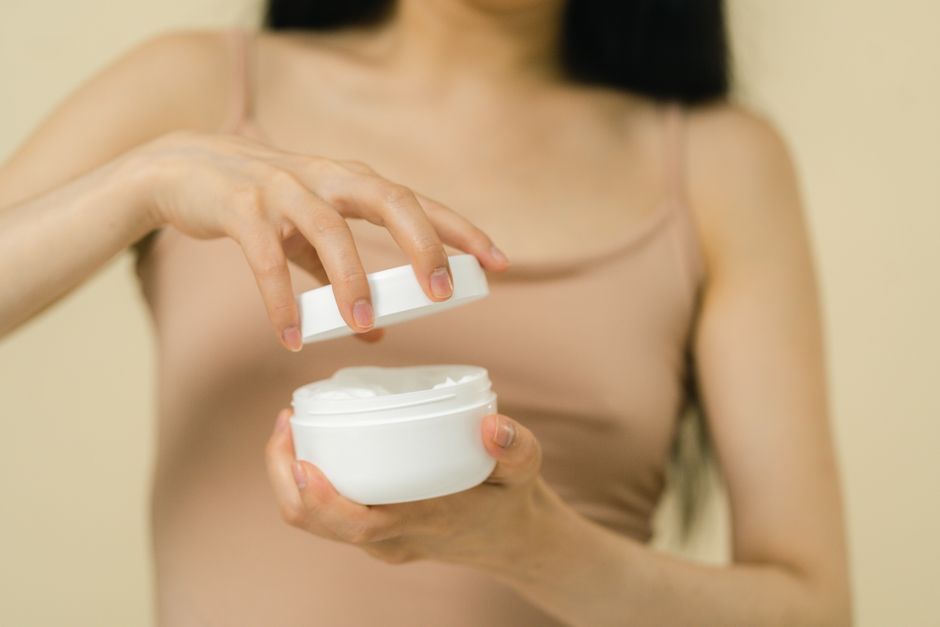
If you've ever thought that more exfoliation equals better skin, you're not alone. It's a common misconception that often leads to over-exfoliation, a skincare mistake many people make without realizing it. This mistake can wreak havoc on your skin barrier, leading to sensitivity, irritation, and overall imbalance. Let's dive into why over-exfoliation is problematic and how you can correct it.
Understanding Exfoliation
What is Exfoliation?
Exfoliation is the process of removing dead skin cells from the surface of your skin. It helps to unclog pores, reduce acne, and improve skin texture. However, the key to successful exfoliation lies in moderation.
Types of Exfoliation
- Physical Exfoliation: Uses scrubs or brushes to manually remove dead skin.
- Chemical Exfoliation: Involves acids like AHAs and BHAs to dissolve dead skin cells.
The Dangers of Over-Exfoliation
Signs of Over-Exfoliation
- Redness and irritation
- Increased sensitivity
- Frequent breakouts
- Excessive dryness or oiliness
Over-exfoliation strips away the skin's natural oils and protective barrier, leading to a compromised skin surface that is more susceptible to environmental damage and infections.
How Over-Exfoliation Affects Skin Health
When your skin is over-exfoliated, it loses its ability to retain moisture and protect against external irritants. This can result in a cycle of discomfort and further skin issues.
Steps to Correct Over-Exfoliation
Stop All Exfoliation
The first step is to halt all forms of exfoliation. Give your skin time to heal by returning to a basic skincare routine.
Introduce Soothing Ingredients
Look for products containing ingredients like aloe vera, hyaluronic acid, and ceramides. These help to calm and repair your skin barrier.
"Incorporating a soothing facial mask twice a week can expedite recovery and restore balance."
Reintroduce Exfoliation Wisely
Once your skin has calmed down, you can gradually reintroduce exfoliation. Start with a gentle chemical exfoliant no more than once a week, and monitor your skin's reaction closely.
Preventing Over-Exfoliation in the Future
Know Your Skin Type
Understanding whether your skin is dry, oily, combination, or sensitive will help you choose the right exfoliation method and frequency.
Pay Attention to Product Ingredients
Always read labels. Avoid using products with high concentrations of exfoliating acids unless prescribed by a dermatologist.
Listen to Your Skin
Your skin is your best guide. If it's showing signs of stress, take a step back and adjust your routine accordingly.
Conclusion
While exfoliation can be a beneficial addition to your skincare regimen, going overboard can lead to significant issues. Understanding the signs of over-exfoliation and how to address it will keep your skin healthy and glowing. Remember, sometimes less is more in skincare.