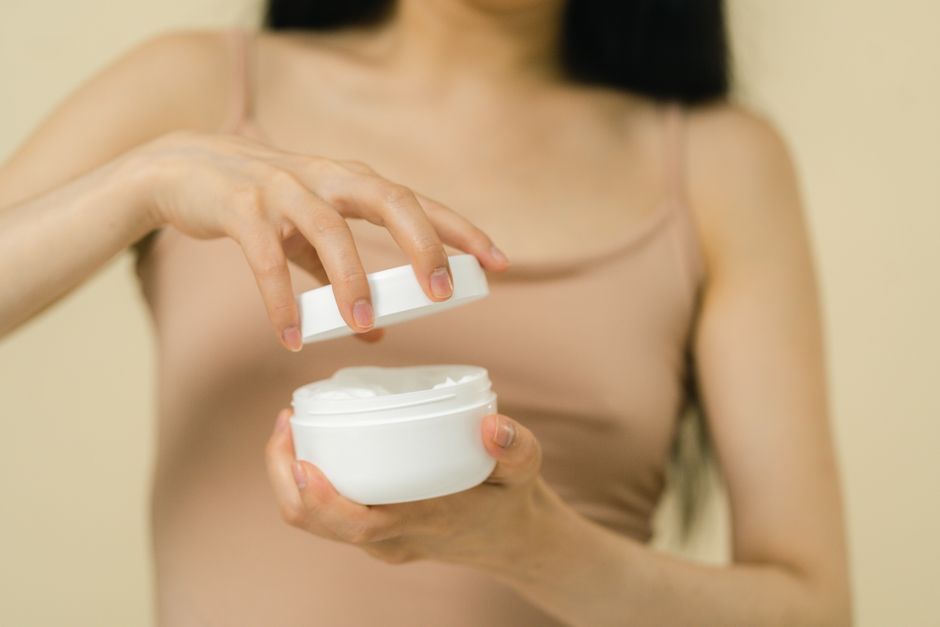
Exfoliation is a crucial step in any skincare routine. It removes dead skin cells, unclogs pores, and allows skincare products to penetrate more deeply. However, there's a common skincare mistake that can do more harm than good: over-exfoliation.
Over-exfoliation occurs when you exfoliate too frequently, too harshly, or with the wrong products. This can lead to redness, irritation, and even damage your skin barrier, making your skin more prone to infections and breakouts. For many, this mistake is surprisingly easy to make, especially with the plethora of exfoliating products and devices available today.
If you're noticing that your skin feels sensitive, looks redder than usual, or you're experiencing an increase in breakouts, it might be time to reassess your exfoliation habits. Let's explore how you can correct this situation and restore your skin to its natural, healthy state.
Understanding the Impact of Over-Exfoliation
Before we dive into solutions, it's essential to understand why over-exfoliation is problematic. The skin's outermost layer, the stratum corneum, acts as a protective barrier. Over-exfoliating can strip away this layer, leading to several adverse effects.
Signs of Over-Exfoliation
- Redness and irritation: Your skin appears red and feels tender to touch.
- Increased sensitivity: Your skin reacts negatively to products that were previously tolerated.
- Breakouts: You experience more frequent or severe acne.
- Dryness and flakiness: Your skin feels tight and appears flaky.
Recognizing these signs early can prevent further damage.
Choosing the Right Exfoliant
Selecting the proper exfoliant is vital in preventing over-exfoliation. Not all exfoliants are created equal, and what works for one person might not work for another.
Types of Exfoliants
- Physical exfoliants: These include scrubs and brushes. While they can be effective, they're often too harsh for sensitive skin.
- Chemical exfoliants: Such as AHAs and BHAs. These work by dissolving the bonds between dead skin cells, providing a gentler exfoliation.
For those with sensitive skin, opting for a gentle chemical exfoliant like lactic acid might be preferable.
How Often Should You Exfoliate?
Over-exfoliation often comes down to frequency. It’s crucial to find a balance that suits your skin type.
For Oily Skin
Oily skin types can generally handle more frequent exfoliation. However, limit it to two or three times a week.
For Dry or Sensitive Skin
Once a week is usually sufficient. Be sure to follow up with a hydrating moisturizer to replenish moisture.
"Listen to your skin. It will tell you what it needs."
Correcting Over-Exfoliated Skin
If you suspect you've been over-exfoliating, don't worry. There are steps you can take to help your skin recover.
Take a Break
Stop exfoliating for a week or two. Allow your skin to repair itself naturally.
Hydrate and Repair
Use a gentle, hydrating cleanser and a rich moisturizer. Look for ingredients like hyaluronic acid and ceramides.
Soothe the Skin
Consider using soothing masks or serums with calming ingredients like aloe vera and chamomile.
Conclusion
Exfoliation is beneficial, but it's a double-edged sword. Done correctly, it can transform your skin, but overdoing it can lead to a host of problems. By understanding the signs of over-exfoliation and choosing the right products, you can maintain a radiant and healthy complexion. Remember, when it comes to skincare, sometimes less is more.