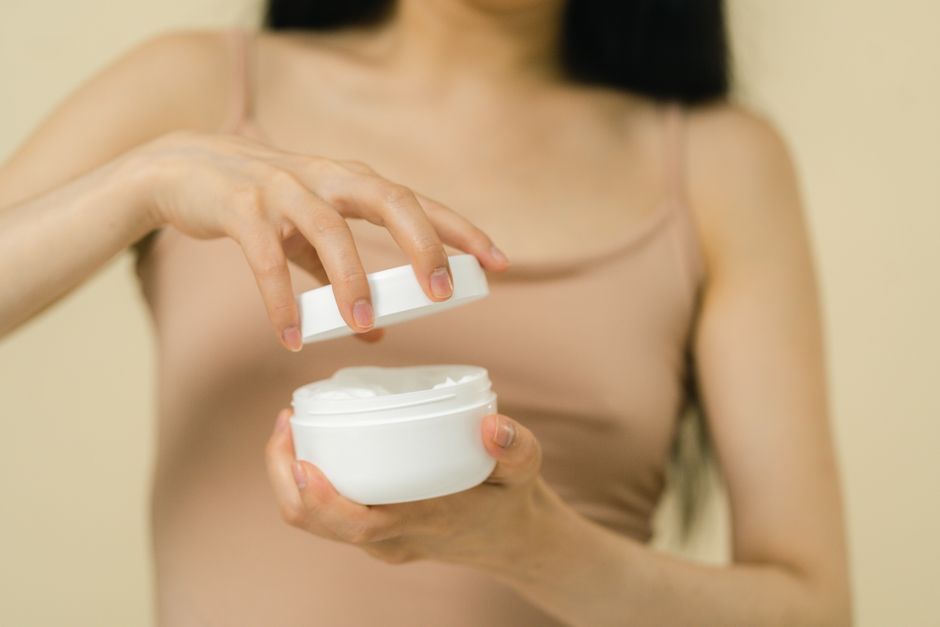
In Nigeria, where the warm climate and bustling city life can often take a toll on our skin, maintaining a radiant and healthy complexion might seem like an uphill battle. Yet, with the right skincare routine tailored to our unique needs, achieving that sought-after glow is well within reach. Let's embark on a journey to discover the secrets of glowing skin, focusing on practical tips and routines that blend seamlessly with our vibrant Nigerian lifestyle.
Whether you're dealing with dry harmattan winds or the humidity of Lagos, understanding how to adapt your skincare routine is key. The journey to radiant skin begins with a solid foundation of knowledge about your skin type, products that work for you, and a commitment to consistent care.
Join me as we delve into personalized skincare strategies, keeping in mind our diverse Nigerian skin tones and textures. From selecting the right products to adopting healthy habits, your path to glowing skin begins here.
Understanding Your Skin Type
Why Knowing Your Skin Type Matters
Before diving into specific products and routines, it's crucial to identify your skin type. This foundational knowledge ensures that you choose products that enhance rather than hinder your skin's health.
- Oily Skin: Characterized by a shiny appearance, larger pores, and a tendency to develop acne.
- Dry Skin: Often feels tight, rough, or flaky, especially after washing or exposure to cold air.
- Combination Skin: Features both oily and dry areas, commonly with an oily T-zone and dry cheeks.
- Normal Skin: Balanced, with neither excessive oiliness nor dryness.
- Sensitive Skin: Prone to irritation and redness, often reacting to certain products or environmental factors.
Determining your skin type can be as simple as observing how your skin behaves throughout the day or conducting a quick tissue test.
Conducting a Skin Type Test
To perform a basic skin type test, cleanse your face with a gentle cleanser and pat dry. After a few hours, observe your skin without applying any products.
"Identifying your skin type is the first step towards achieving a skincare routine that truly works for you."
- If your skin feels greasy and shiny, you likely have oily skin.
- If your skin feels tight and appears flaky, it could be dry.
- If you notice both oiliness in the T-zone and dryness on the cheeks, you have combination skin.
- If your skin feels comfortable and balanced, it's most likely normal.
- Should you experience redness or itchiness, you may have sensitive skin.
Building a Skincare Routine
The Basics of a Good Skincare Routine
No matter your skin type, a solid skincare routine should be straightforward yet effective. The basic components include cleansing, toning, moisturizing, and sun protection.
- Cleansing: Use a gentle cleanser to remove dirt, oil, and makeup. For oily skin, opt for a foaming cleanser, while creamy cleansers work well for dry skin.
- Toning: A toner helps restore the skin's pH balance and remove any remaining impurities. Choose alcohol-free toners to avoid irritation.
- Moisturizing: Hydration is key for all skin types. Opt for lightweight, non-comedogenic moisturizers for oily skin and richer creams for dry skin.
- Sun Protection: Sunscreen is non-negotiable. Use a broad-spectrum SPF of at least 30 daily, even on cloudy days.
Customizing Your Routine for Nigerian Climate
In Nigeria, the climate can vary significantly, affecting how we approach skincare. During the harmattan season, for example, the air is dry, so a richer moisturizer is essential.
"Adapt your skincare routine to the seasons, recognizing how humidity or dryness affects your skin's needs."
During humid conditions, such as the rainy season, focus on lightweight products that won't clog pores.
Product Recommendations and Natural Alternatives
Must-Have Products for Glowing Skin
Invest in products that address your specific concerns while enhancing overall skin health. Here are some staples to consider:
- Vitamin C Serum: Boosts radiance and evens skin tone.
- Hyaluronic Acid Serum: Provides hydration, especially for dry skin.
- Retinol Cream: Helps with anti-aging and skin renewal.
- Exfoliating Scrub: Use once or twice a week to remove dead skin cells.
Exploring Natural Ingredients
Nature offers a wealth of ingredients that can work wonders for your skin. Consider incorporating these into your routine:
- Aloe Vera: Soothes and hydrates.
- Shea Butter: Rich in vitamins, ideal for moisturizing.
- Tea Tree Oil: Known for its antibacterial properties, perfect for acne-prone skin.
- Turmeric: Brightens skin and reduces inflammation.
Using local ingredients not only supports Nigerian businesses but also ensures that your skincare routine is both sustainable and effective.
Lifestyle Tips for Radiant Skin
Hydration and Nutrition
Beautiful skin begins from within. Staying hydrated and maintaining a balanced diet rich in vitamins and minerals is crucial.
"What you consume directly impacts your skin's health. Prioritize hydration and nutrient-dense foods."
Incorporate fresh fruits and vegetables, whole grains, and lean proteins into your diet to support skin health.
Balancing Stress and Sleep
Stress and lack of sleep can manifest as dull skin or breakouts. Engage in stress-reducing activities such as yoga, meditation, or even a simple walk in nature.
- Aim for 7-9 hours of quality sleep each night to allow your skin to repair and rejuvenate.
- Practice relaxation techniques to manage stress effectively.
Conclusion
Achieving radiant skin in Nigeria requires a thoughtful approach that combines an understanding of your skin type, adapting routines to the climate, and embracing a healthy lifestyle. With the right knowledge and tools, you can unlock the secret to glowing skin, feeling confident and beautiful every day.
Remember, skincare is a journey, not a destination. Stay consistent, be patient, and enjoy the process of discovering what works best for your unique skin needs. Here's to a brighter, more radiant you!