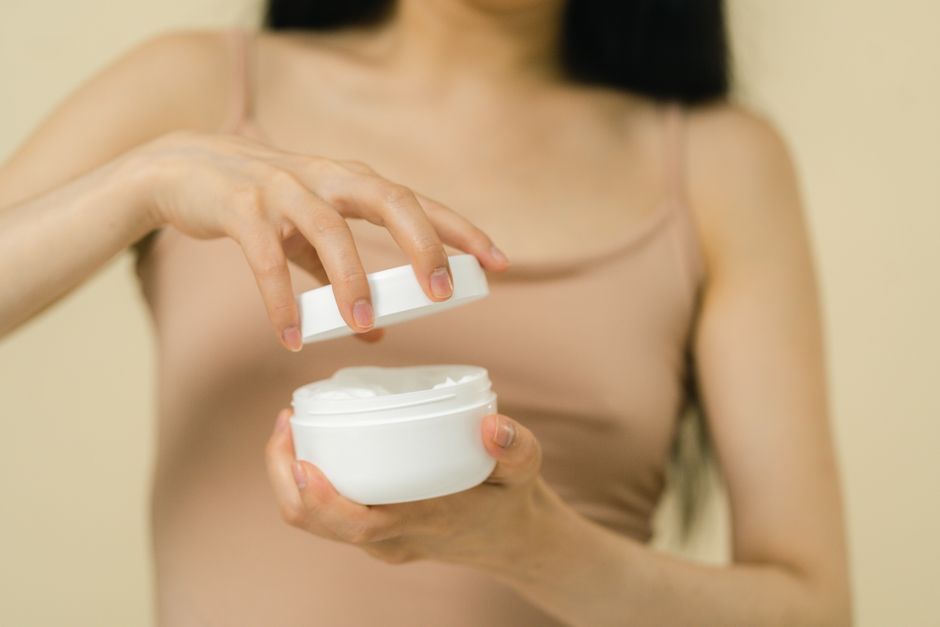
In the vibrant landscape of Nigerian beauty, skincare takes center stage as an essential part of daily routines. The pursuit of radiant skin is not just about vanity; it is a celebration of our inherent beauty and cultural heritage. For many Nigerians, skincare is deeply personal, often passed down through generations, blending traditional wisdom with modern techniques. This article will guide you through mastering natural skincare tailored specifically for Nigerian skin.
Navigating the vast world of skincare can be overwhelming, with countless products and regimes claiming to be the magic solution. However, the key lies in understanding your unique skin type and how it responds to the local environment. From the bustling streets of Lagos to the serene landscapes of Jos, the climate in Nigeria varies widely, posing distinct challenges and opportunities for skincare enthusiasts.
Whether you are battling the humid heat of the coastal regions or the dry harmattan winds of the north, this guide will equip you with practical tips and insights, ensuring your skin remains healthy and glowing regardless of the conditions. Let’s delve into the natural skincare practices that celebrate the beauty and resilience of Nigerian skin.
Understanding Nigerian Skin Types
The Diversity of Skin Tones
Nigerian skin is celebrated for its rich diversity, encompassing a wide range of tones and textures. This diversity is a testament to our vibrant heritage and genetic tapestry.
Understanding your specific skin type is crucial for selecting the right skincare products and routines. The Fitzpatrick Scale, a dermatological tool, categorizes skin types based on their reaction to sun exposure, ranging from type I (very fair) to type VI (very dark). Most Nigerian complexions fall within type V and VI, which are less prone to sunburn but more susceptible to hyperpigmentation.
Common Skin Concerns
While Nigerian skin is inherently resilient, it is not without its unique challenges. Common concerns include:
- Hyperpigmentation: A prevalent issue caused by increased melanin production in response to sun exposure or skin injuries.
- Acne: Often exacerbated by humidity and genetic predispositions.
- Dryness: Particularly during the harmattan season, when the air is moisture-depleted.
"Understanding your skin type and concerns is the first step to effective skincare."
Essential Natural Ingredients for Nigerian Skin
Shea Butter: The African Gold
Shea butter, often dubbed the 'African gold,' is a staple in Nigerian skincare. Its rich, creamy texture and high concentration of vitamins A and E make it a superb moisturizer and anti-inflammatory agent.
Aloe Vera: The Soothing Healer
Aloe vera is revered for its soothing properties, making it ideal for calming irritated skin and reducing inflammation. It is particularly beneficial for those with acne-prone skin.
Coconut Oil: The Versatile Elixir
Coconut oil provides a natural barrier against environmental pollutants, locking in moisture while nourishing the skin. It is also an effective makeup remover and hair treatment.
- Tip: Always opt for cold-pressed, extra-virgin coconut oil for the best benefits.
Daily Skincare Routine for Radiant Skin
Cleansing: The Foundation of Skincare
Start your day with a gentle cleanser to remove overnight impurities. Look for sulfate-free formulations enriched with natural oils or plant extracts.
Moisturizing: Locking in Hydration
After cleansing, apply a moisturizer suited to your skin type. For those with oily skin, a lightweight, water-based moisturizer is ideal, while drier skin types benefit from richer creams or oils.
Sun Protection: A Must for All Skin Types
Regardless of skin tone, sunscreen is non-negotiable. Opt for a broad-spectrum sunscreen with at least SPF 30 to protect against harmful UV rays that lead to premature aging and hyperpigmentation.
"Sunscreen is essential even for darker skin tones. Protect your skin to stay radiant and healthy."
Dealing with Common Skincare Issues
Managing Hyperpigmentation
Hyperpigmentation can be minimized with consistent use of products containing niacinamide, vitamin C, or licorice root extract.
Acne Control Strategies
To manage acne, incorporate salicylic acid or tea tree oil into your routine. Ensure a balanced diet and reduce stress for optimal skin health.
Combatting Dryness
In periods of dryness, increase your use of hydrating serums and creams with hyaluronic acid or glycerin. A humidifier can also help maintain skin moisture levels.
Natural Remedies and DIY Skincare
Home-made Face Masks
Try a DIY face mask with natural ingredients like oatmeal, honey, and turmeric for a gentle exfoliation and brightening effect.
Exfoliating Scrubs
Use sugar or coffee grounds mixed with coconut oil for a natural exfoliant that leaves the skin smooth and refreshed.
- Tip: Exfoliate no more than twice a week to avoid skin irritation.
Conclusion
Embracing natural skincare tailored to the unique needs of Nigerian skin not only enhances your beauty but also connects you to cultural traditions and natural resources. By understanding your skin type, using the right products, and addressing common concerns naturally, you can achieve radiant, healthy skin that reflects your vibrant Nigerian heritage. Remember, beauty is a journey, not a destination, and with the right tools, you can shine brightly every day.