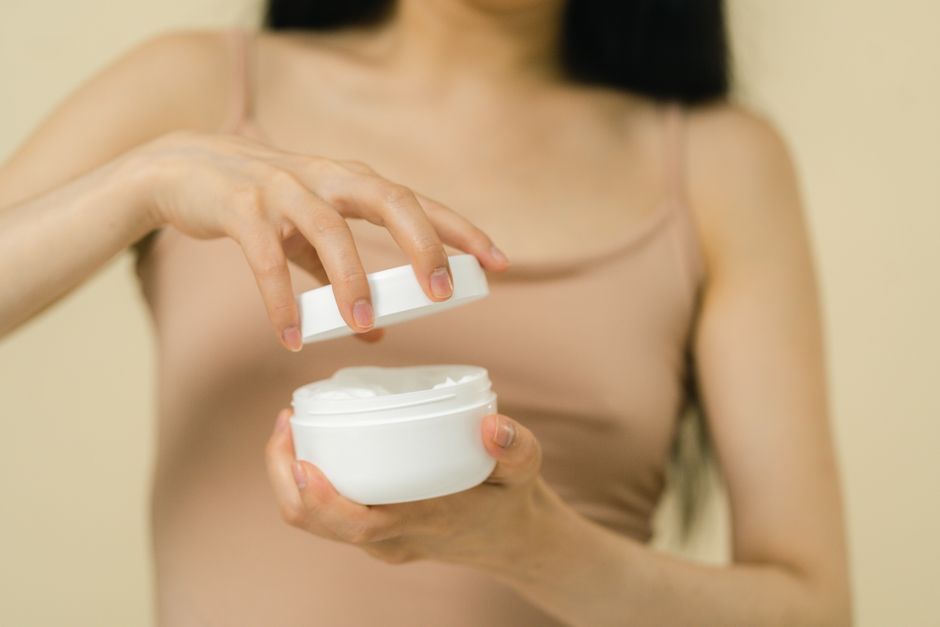
In Nigeria, a country brimming with diverse climates and a vibrant culture, maintaining radiant skin can be both a challenge and a joy. Whether you're basking in the tropical heat of Lagos or experiencing the dry winds in the north, your skincare routine plays a crucial role in how your skin looks and feels. Understanding the specific needs of your skin in Nigeria is essential to achieving that coveted glow. In this guide, we will explore a skincare routine tailored to the Nigerian climate, helping you make informed choices for your skin health.
From battling the damage of UV rays to dealing with humidity, the Nigerian climate poses unique challenges that can impact your skin’s health. With the right approach and products, though, you can nurture your skin to its optimal state. Let's dive into the essentials of a skincare routine that addresses these demands, providing not only protection but also nourishment to keep your skin looking fresh and vibrant.
Understanding Your Skin Type
Before diving into specific products, it's crucial to understand your unique skin type. Skin types generally fall into four categories: oily, dry, combination, and sensitive. Each type requires different care and attention, particularly in Nigeria's diverse climates.
Identifying Your Skin Type
Often, the best way to determine your skin type is by simply observing how your skin feels after cleansing. If your skin feels tight or appears flaky, you likely have dry skin. If it looks shiny, especially in the T-zone (forehead, nose, and chin), you might have oily skin. Combination skin will show characteristics of both, while sensitive skin often reacts to products with irritation or redness.
"Knowing your skin type is the first step to a tailored skincare routine that can truly transform your skin health."
Building a Skincare Routine
Once you've identified your skin type, you can begin to build a skincare routine that supports and enhances your skin's natural state. This involves cleansing, toning, moisturizing, and applying sunscreen, particularly given the strong sun exposure in Nigeria.
Cleansing
Cleansing is the foundation of any skincare routine. For oily skin types, consider using a foaming cleanser to remove excess oil and impurities. Dry skin types might benefit from a gentle, hydrating cleanser that doesn't strip the skin of its natural oils.
- Use a cleanser suitable for your skin type twice a day.
- Opt for natural ingredients that cleanse without causing irritation.
Toning
Toning helps to balance the skin's pH and prepare it for moisturizing. Look for toners with soothing ingredients like witch hazel or rose water, which are particularly beneficial in calming the skin and reducing redness.
"Toning is an often overlooked step that can help in balancing the skin and improving its texture."
Moisturizing
No matter your skin type, moisturizing is vital, especially in Nigeria's varied climates. Oily skin might require a lightweight, oil-free moisturizer, while dry skin benefits from richer, more hydrating formulas.
- Apply moisturizer while your skin is still damp to lock in hydration.
- Consider using a product with antioxidants to protect against environmental damage.
Sunscreen
Sunscreen is non-negotiable when it comes to preventing sun damage and premature aging. With Nigeria's intense sun, a broad-spectrum sunscreen with at least SPF 30 is essential.
- Apply sunscreen daily, even on cloudy days, to protect from UV rays.
- Reapply every two hours if you're spending extended periods outdoors.
Navigating Nigerian Climate Challenges
The climate in Nigeria can vary dramatically, affecting your skin in different ways throughout the year. From the heat and humidity of the southern regions to the drier northern areas, adjusting your skincare routine seasonally is key.
Dealing with Humidity
Humidity can lead to increased oil production and clogged pores, making it vital to focus on cleansing and light hydration.
- Opt for oil-free, non-comedogenic products.
- Regularly exfoliate with gentle products to prevent clogged pores.
Managing Dryness
In drier climates, the focus should be on maintaining moisture and preventing water loss from the skin.
- Use a heavier moisturizer at night to deeply nourish the skin.
- Consider hydrating masks as a weekly treatment to boost moisture levels.
Incorporating Local Ingredients
Nigeria is home to a wealth of natural ingredients that can benefit your skin. Incorporating these into your routine not only supports local industries but can also offer unique advantages for your skin's health.
Shea Butter
Rich in vitamins and fatty acids, shea butter is excellent for moisturizing and healing dry skin.
- Use unrefined shea butter as an intensive moisturizer for dry patches.
- Mix with other oils for a nourishing body product.
Aloe Vera
Known for its soothing properties, aloe vera can help calm irritated skin and provide light moisture.
- Apply aloe vera gel as a soothing layer after sun exposure.
- Use as a light moisturizer for sensitive skin.
Conclusion
Creating a skincare routine that works for your skin type and the Nigerian climate is a rewarding journey. By understanding your skin, using the right products, and embracing local ingredients, you can maintain healthy, glowing skin year-round. Remember, consistency is key, and taking the time to care for your skin will pay off in the long run.