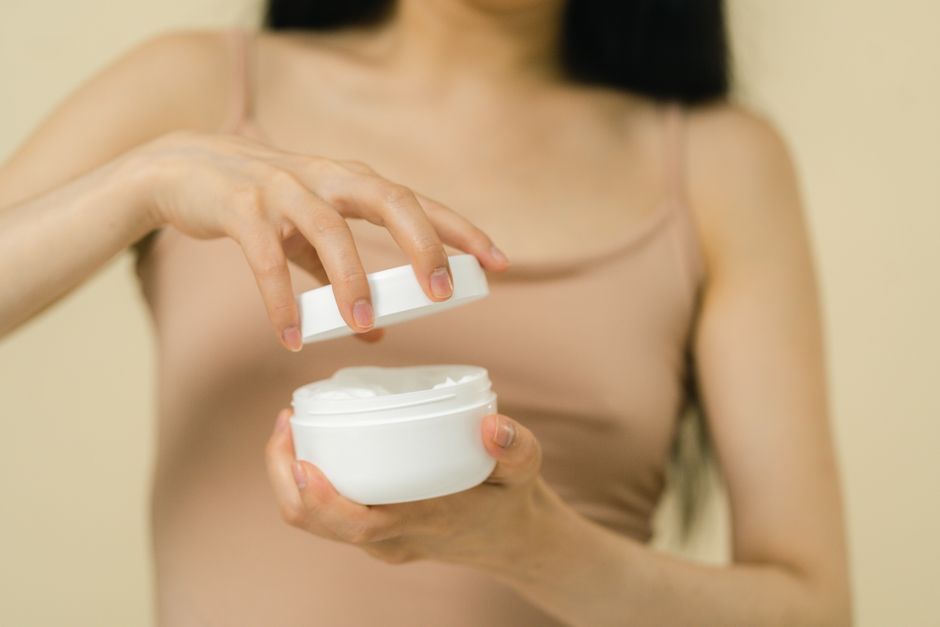
When it comes to skincare, finding the right routine can sometimes feel more challenging than a chemistry exam. Especially if you live in Nigeria, where the climate is as diverse as the people, it's crucial to tailor your skincare routine to suit your unique skin needs. Whether you're battling oily skin due to the hot, humid weather or fighting dryness during the Harmattan season, understanding your skin type is the first step to achieving that enviable glow.
The cornerstone of any skincare routine is consistency, and with the right products and practices, radiant skin is within your reach. Nigerian skin is beautifully diverse, but it also comes with its own set of challenges, such as hyperpigmentation and sensitivity to certain popular skincare ingredients. But don't worry, we're here to provide you with a comprehensive guide to crafting a skincare routine that works for you.
In this article, we will walk you through the essential steps to creating a skincare routine, from cleansing to protection, with insights into choosing the best products suited for Nigerian skin. So, whether you're a skincare newbie or a seasoned pro, there's something here for everyone looking to perfect their skincare regimen.
Understanding Your Skin Type
Identifying Common Skin Types
Recognizing your skin type is essential to selecting products that complement your natural complexion. Generally, skin types are categorized as oily, dry, combination, or sensitive.
- Oily Skin: Characterized by a shiny appearance and larger pores, often accompanied by acne.
- Dry Skin: Often feels tight, especially after washing, and may exhibit flaky areas.
- Combination Skin: Displays both oily and dry characteristics, often with an oily T-zone.
- Sensitive Skin: Prone to redness and irritation, often reacting to specific ingredients.
How Climate Affects Nigerian Skin
The Nigerian climate, with its mix of humid and dry seasons, can significantly impact your skin's behavior. During the humid months, you might notice an increase in oil production, while the Harmattan season can leave your skin feeling parched.
"Understanding how your skin responds to different climates is crucial in adapting your skincare routine to keep it balanced and healthy."
Essential Steps in a Skincare Routine
Cleansing
Proper cleansing removes impurities, excess oil, and makeup, setting the stage for the rest of your skincare products to work effectively.
A mild, sulfate-free cleanser is ideal for Nigerian skin as it cleans without stripping away essential oils.
Exfoliation
Exfoliating helps to remove dead skin cells, promoting cell turnover for a brighter complexion. However, it’s important not to over-exfoliate, especially if you have sensitive skin.
Hydration and Moisturizing
Hydration is crucial for maintaining skin's elasticity and barrier function. Serums with hyaluronic acid can be particularly effective.
Follow with a moisturizer suited to your skin type; lighter gels for oily skin and richer creams for dry skin.
Sun Protection
Daily sun protection is non-negotiable in any skincare routine. Opt for a broad-spectrum SPF 30 or higher, even on cloudy days.
"Consistent use of sunscreen is one of the most effective anti-aging practices you can adopt."
Choosing the Right Products
Ingredients to Look For
Pay attention to ingredients. Look for products containing niacinamide, vitamin C, and aloe vera, which are great for dealing with hyperpigmentation and soothing the skin.
Avoiding Harmful Ingredients
Watch out for ingredients like sulfates and parabens, which can be irritating, especially for sensitive skin types.
Addressing Common Nigerian Skin Concerns
Dealing with Hyperpigmentation
Hyperpigmentation is a prevalent concern in Nigeria. Incorporate ingredients like vitamin C and licorice extract to help even out skin tone.
Managing Acne and Breakouts
For acne-prone skin, products containing salicylic acid or benzoyl peroxide can be beneficial. However, be mindful of overuse as they can dry out the skin.
Navigating Harmattan
During the Harmattan, focus on intense hydration and barrier repair. Products with ceramides and hydrating masks can be particularly helpful.
Final Thoughts
Building a skincare routine that works for you requires time, patience, and some trial and error. By understanding your skin type and how external factors like climate affect it, you can better tailor your routine to achieve healthy, glowing skin. Remember, consistency is key—and with these tips, you're well on your way to establishing a skincare routine as radiant as you are.
Whether you're dealing with hyperpigmentation, dryness, or simply looking to maintain your skin's health, the right routine is within reach. Cheers to happy, healthy skin!