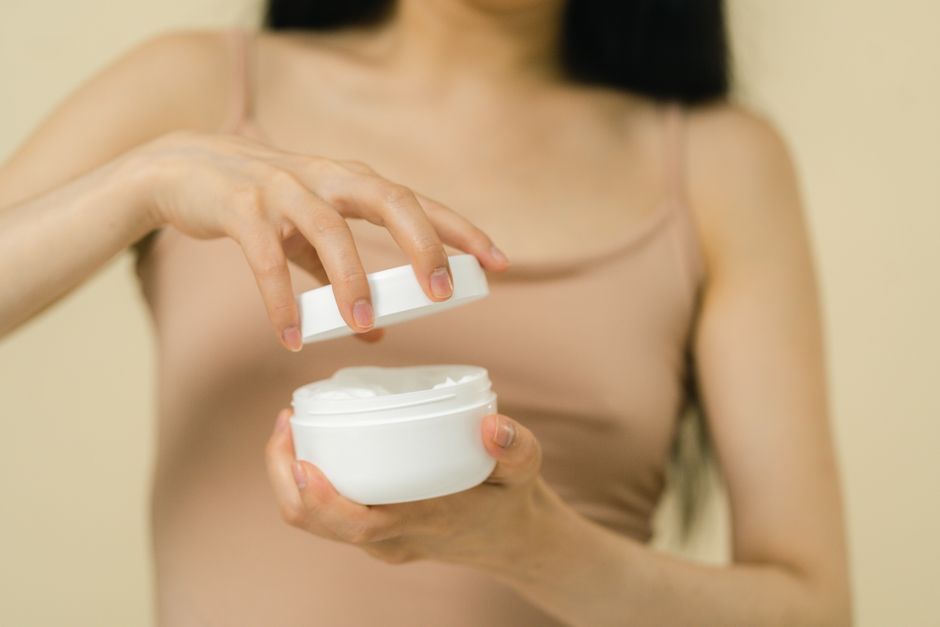
In the bustling city of Lagos or the serene villages of Enugu, the quest for radiant and healthy skin is universal among Nigerians. While each person's skin is unique, the challenges posed by the Nigerian climate, such as humidity and heat, call for a tailored skincare approach. This comprehensive guide will explore the ultimate skincare routine designed specifically for Nigerian skin, ensuring you look and feel your best. Whether you're battling oily skin or seeking to hydrate dry patches, this routine will have you covered.
The cornerstone of any effective skincare routine is understanding your skin type. Nigeria's diverse ethnic backgrounds mean a varied range of skin types, each requiring specific care. From oily to combination skin, identifying your skin type can make all the difference.
Understanding Nigerian Skin Types
Determining Your Skin Type
Start by observing how your skin behaves throughout the day. Does it get oily by noon or feel tight and dry? Here’s a simple test: after washing your face, wait an hour without applying any products. Then check for shine or dry patches.
- Oily Skin: Shine across the face, large pores, prone to acne.
- Dry Skin: Flakiness, tightness, and a dull appearance.
- Combination Skin: Oily in the T-zone, dry or normal elsewhere.
- Normal Skin: Balanced, with few imperfections.
Adapting the Routine to Your Skin Type
Once you’ve identified your skin type, it’s time to adapt your routine. This ensures that the products you use work effectively to enhance your skin’s natural beauty.
Remember, a good skincare routine not only addresses current skin concerns but also prevents future issues.
Morning Skincare Routine
Cleansing
Kickstart your day with a gentle cleanser. In Nigeria, where sweat and dust are common, cleansing is crucial. Opt for a product that effectively removes impurities without stripping your skin's natural oils.
"Using a sulfate-free cleanser can help maintain your skin’s natural moisture balance," advises Lagos-based dermatologist Dr. Adeola.
Toning
Follow up with a toner to balance your skin’s pH levels. Look for toners with natural ingredients like Aloe Vera or Witch Hazel, which are excellent for soothing and refreshing the skin.
This step prepares your skin to better absorb subsequent products.
Moisturizing
Hydration is key, regardless of your skin type. Choose a lightweight, non-comedogenic moisturizer that suits your skin’s needs. For oily skin, gel-based moisturizers work wonders, while dry skin benefits from richer creams.
Sun Protection
The Nigerian sun can be harsh, making SPF a non-negotiable part of your routine. Opt for a broad-spectrum sunscreen with at least SPF 30.
"Even on cloudy days, UV rays can damage your skin. Make sunscreen a daily habit," emphasizes Dr. Adeola.
Evening Skincare Routine
Double Cleansing
After a long day, double cleansing ensures all makeup and impurities are thoroughly removed. Start with an oil-based cleanser to dissolve makeup, followed by a water-based cleanser to purify your skin.
Exfoliation
Exfoliating 1-2 times a week can help remove dead skin cells and promote cell turnover. Choose gentle exfoliants suitable for your skin type to avoid irritation.
Targeted Treatments
Serums and treatments are essential for addressing specific concerns like hyperpigmentation or acne. Ingredients like Vitamin C and AHA/BHA are popular for their effectiveness.
Night Cream
A nourishing night cream can aid in skin repair and rejuvenation. Look for formulas that contain retinol or peptides for their anti-aging benefits.
Common Nigerian Skincare Concerns
Hyperpigmentation
Due to the increased melanin in African skin, hyperpigmentation can be a common issue. Ingredients like Niacinamide and Kojic Acid can help even out skin tone.
Acne Management
Acne can affect anyone, but with the right care, it can be controlled. Products containing Salicylic Acid or Benzoyl Peroxide are effective in treating acne.
Natural Remedies From Nigeria
Shea Butter
Sourced from the nuts of the Shea tree, Shea Butter is a staple in Nigerian skincare. It’s deeply moisturizing and can help with skin regeneration.
Black Soap
Black soap, made from plantain skins, cocoa pod ash, and palm oil, is revered for its cleansing and healing properties. It can be particularly beneficial for oily and acne-prone skin.
Conclusion
Creating a skincare routine that caters to your specific needs can transform your skin and boost your confidence. By understanding your skin type and incorporating the right products and practices, you'll be well on your way to achieving radiant, healthy skin.
Remember, consistency is key. Stick to your routine, and over time, you'll see the results. Embrace the natural beauty of your skin and be proud of your unique glow.