When it comes to achieving glowing skin, understanding your unique skin type is crucial, especially in the dynamic Nigerian climate. Whether you're dealing with the humid heat of Lagos or the drier air of Jos, knowing how to tailor your skincare routine can make all the difference. Let's dive into an effective skincare regimen that addresses common concerns for Nigerian skin, helping you achieve that enviable glow.
First and foremost, skincare is not just about the products you use but also understanding your skin's needs. Nigerian skin, often rich in melanin, presents unique challenges and advantages. The right approach can help combat common issues such as hyperpigmentation, acne, and oiliness, while enhancing your skin's natural beauty.
In this comprehensive guide, we will walk you through each step of an ideal skincare routine, debunking myths and highlighting real solutions. From cleansing to moisturizing, we'll cover it all, ensuring your skin stays healthy and radiant.
Understanding Your Skin Type
Before establishing a skincare routine, it's essential to determine your skin type. This understanding will guide your choice of products and treatments.
Common Skin Types
- Oily Skin: Characterized by excess sebum production, leading to shine and potential acne breakouts.
- Dry Skin: Often feels tight and may flake, requiring rich, moisturizing products.
- Combination Skin: Presents a mix of oily and dry areas, typically with an oily T-zone.
- Sensitive Skin: Easily irritated, often reacting to new products or environmental changes.
How to Determine Your Skin Type
A simple test involves washing your face with a gentle cleanser, then waiting an hour without applying any products. Observe your skin's behavior:
- If it feels greasy, you likely have oily skin.
- If it feels tight or flaky, you have dry skin.
- If only your T-zone is oily, you have combination skin.
- If it appears red or irritated, you have sensitive skin.
Building a Skincare Routine
Cleansing
The foundation of any skincare routine is proper cleansing. Choose a cleanser tailored to your skin type, such as a foaming cleanser for oily skin or a creamy cleanser for dry skin.
"Cleansing is the cornerstone of healthy skin. It removes impurities and prepares your skin for other products."
Avoid using hot water, as it can strip your skin of essential oils, leading to dryness and irritation.
Exfoliating
Exfoliation helps remove dead skin cells, promoting cell turnover. Opt for a gentle exfoliant suitable for your skin type and use it 1-2 times a week.
- Chemical Exfoliants: Such as AHAs and BHAs, are effective for oily and acne-prone skin.
- Physical Exfoliants: Be cautious with these, especially if you have sensitive skin; opt for fine-grained scrubs.
Moisturizing
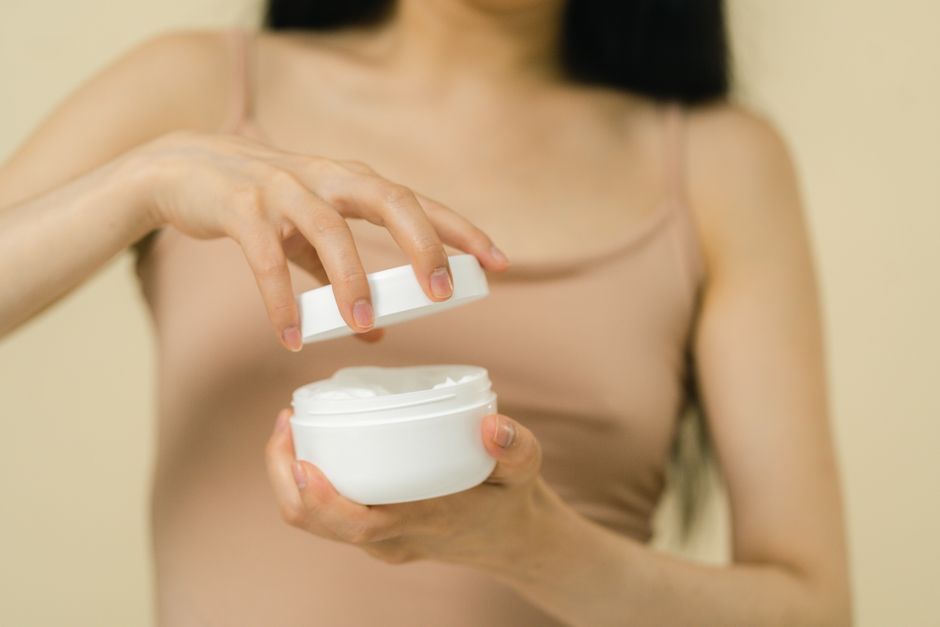
Moisturizers lock in hydration and create a protective barrier on your skin. Those with oily skin should look for non-comedogenic, lightweight moisturizers, while dry skin benefits from thicker, cream-based formulas.
Protecting with Sunscreen
Sunscreen is vital, even for darker skin tones, as it prevents sun damage and hyperpigmentation. Choose a broad-spectrum sunscreen with at least SPF 30.
Addressing Common Skin Concerns
Hyperpigmentation
Hyperpigmentation is a common concern that can be addressed with ingredients like vitamin C, niacinamide, and retinoids. These help lighten dark spots and even out skin tone.
Acne and Breakouts
For acne-prone skin, incorporate products with salicylic acid or benzoyl peroxide. It's also important to avoid pore-clogging products and to maintain a consistent skincare routine.
Aging Skin
Anti-aging products containing hyaluronic acid, peptides, and antioxidants can help reduce the appearance of fine lines and maintain skin elasticity.
Nigerian Beauty Tips
Natural Ingredients
Make use of local, natural ingredients like shea butter, turmeric, and coconut oil, known for their nourishing properties. These can be incorporated into your daily routine or used as occasional treatments.
Hydration from Within
Staying hydrated is crucial for healthy skin. Remember to drink plenty of water throughout the day, especially in Nigeria's warm climate.
Diet and Lifestyle
A balanced diet rich in fruits, vegetables, and omega-3 fatty acids can significantly impact your skin's health. Regular exercise and adequate sleep also play essential roles in maintaining glowing skin.
Final Thoughts
Developing a skincare routine tailored to Nigerian skin involves understanding your unique skin type and addressing common issues with appropriate products and lifestyle changes. Embracing both global skincare trends and local beauty secrets will empower you to achieve and maintain radiant skin.
Remember, consistency is key. With patience and the right approach, you'll unlock the secret to a glowing complexion, no matter where you are in Nigeria.