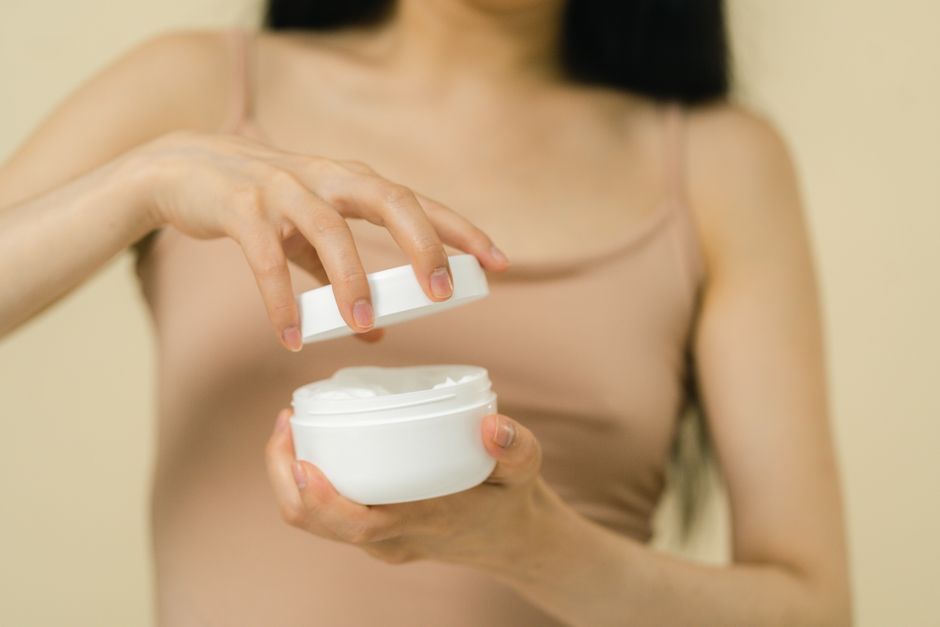
As the vibrant hues of the Lagos skyline meet the first light of dawn, many Nigerian women begin their day with a ritual — one that ensures their skin stays radiant, resilient, and ready to face the day. Skincare is not just about appearances; it's an expression of self-care and empowerment. In this guide, we'll delve into a complete skincare routine specifically tailored for Nigerian skin, helping you achieve that enviable glow while addressing common skin concerns unique to our climate and lifestyle.
Understanding the nuances of your skin and adapting your skincare routine accordingly is crucial, especially in a country where the sun shines almost all year round. Whether you're battling oily skin, dryness, or looking to maintain a beautiful, even complexion, this article is here to guide you through every step. Let's embark on this journey towards flawless skin.
Understanding Nigerian Skin
Common Skin Types
In Nigeria, the most common skin types range from oily to combination skin. The hot, humid climate can exacerbate oiliness, leading to concerns like acne or breakouts. Understanding your skin type is the first step in crafting an effective skincare routine.
- Oily Skin: Characterized by a shiny appearance and a tendency to develop blackheads and acne.
- Dry Skin: Often feels tight and may appear flaky, especially in harmattan season.
- Combination Skin: A mix of oily and dry areas, with an oily T-zone and dry cheeks.
Environmental Factors
The Nigerian climate plays a significant role in skin health. The sun, humidity, and pollution can all affect the skin, requiring specific strategies to protect and nourish it.
"The Nigerian climate, with its intense sun and humidity, demands a unique approach to skincare."
Protecting your skin from the sun is non-negotiable, given the risk of sun damage and hyperpigmentation common among darker skin tones.
Building a Daily Skincare Routine
Cleansing
Cleansing is the cornerstone of any skincare routine. It removes dirt, makeup, and impurities accumulated throughout the day or night.
- Choose a gentle cleanser formulated for your skin type to avoid stripping essential oils.
- For oily skin, consider a foaming cleanser that helps manage sebum without over-drying.
Exfoliating
Exfoliation helps remove dead skin cells, promoting a brighter complexion and preventing clogged pores.
- Use a chemical exfoliant like salicylic acid for acne-prone skin.
- Limit physical exfoliants to once a week to avoid irritation.
Moisturizing
Hydration is key, even for oily skin. A good moisturizer locks in moisture, creating a protective barrier against environmental stressors.
- Opt for oil-free, non-comedogenic moisturizers for oily skin.
- For dry skin, creamy moisturizers with ingredients like hyaluronic acid are beneficial.
Sun Protection
Importance of Sunscreen
Many Nigerians underestimate the importance of sunscreen, often thinking darker skin does not need it. However, sunscreen is crucial in protecting against UV damage and preventing premature aging.
"Regardless of skin tone, sunscreen is essential in protecting against sun damage and maintaining skin health."
Choosing the Right Sunscreen
Select a broad-spectrum sunscreen with an SPF of at least 30. Look for formulas that suit your skin type and avoid leaving a white cast.
Addressing Common Skin Concerns
Hyperpigmentation
Hyperpigmentation is a prevalent concern among Nigerians, often resulting from acne scars or sun exposure.
- Incorporate products containing vitamin C or niacinamide to fade dark spots.
- Always use sunscreen to prevent further pigmentation.
Acne
Acne can be challenging, especially with the added factor of humidity.
- Introduce products containing benzoyl peroxide or tea tree oil to your routine.
- Avoid overly harsh treatments that could irritate the skin.
Nutritional and Lifestyle Considerations
Diet and Hydration
What you consume significantly impacts your skin's health. A balanced diet rich in fruits, vegetables, and water can enhance your skin's appearance.
- Include omega-3 fatty acids, known for their anti-inflammatory properties, found in fish and walnuts.
- Stay hydrated to maintain skin elasticity and health.
Stress Management
Stress can manifest on your skin, leading to flare-ups and dullness.
- Incorporate stress-reducing activities like yoga or meditation into your routine.
- Ensure you get adequate sleep to allow your skin to repair and rejuvenate.
Conclusion
A meticulous skincare routine tailored to the unique needs of Nigerian skin can make a world of difference. By understanding your skin type, protecting against environmental factors, and addressing common concerns, you can achieve a healthy, radiant complexion. Remember, consistency is key, and with patience, your skin can glow as vibrantly as the Nigerian sun.