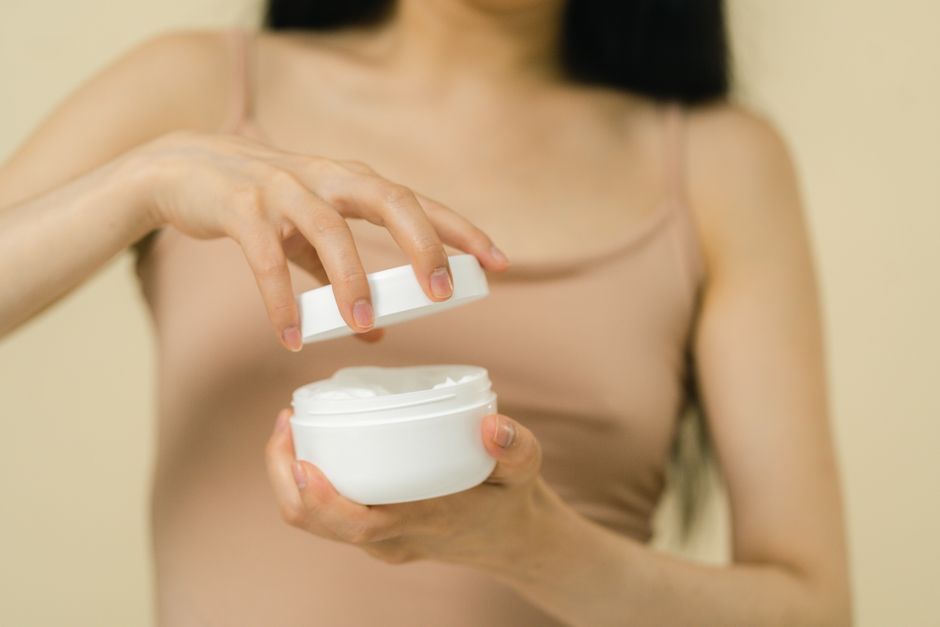
There's a magical allure in glowing, healthy skin, and nowhere is this more celebrated than in Nigeria. Whether you're strolling through the bustling streets of Lagos or attending a vibrant owambe in Abuja, there's an undeniable confidence that comes with radiant skin. But achieving this glow in Nigeria's unique climate requires a specialized approach. This is where the art of Nigerian skincare comes into play.
Adapting skincare routines that suit the local environment is not just about beauty; it's about understanding and embracing what's natural and beneficial for our skin. In this article, we'll explore skincare tips that specifically cater to Nigerian skin, delving into local ingredients and practices that can transform your daily routine. From combating humidity to incorporating indigenous botanicals, let's journey into the world of Nigerian skincare.
Understanding Nigerian Skin
The Influence of Climate
Nigeria's climate is predominantly tropical, characterized by high humidity and significant sun exposure. These conditions can have both positive and negative effects on the skin. On the one hand, the humid air can help maintain skin moisture, but on the other, it can also lead to excessive oil production and potential breakouts.
"Maintaining a balance between hydration and oil control is key for Nigerian skin," advises Dr. Ebiere Odukoya, a renowned dermatologist in Lagos.
Common Skin Concerns
- Hyperpigmentation: Often triggered by sun exposure, this is a prevalent issue that many Nigerians face.
- Acne: The combination of humidity and oil can lead to frequent breakouts.
- Dryness: Despite the humidity, certain regions and seasons can still cause skin to dry out.
Building a Skincare Routine
Cleansing with Purpose
Cleansing is perhaps the most pivotal step in any skincare routine. For Nigerians, using a gentle, non-stripping cleanser is crucial. Opt for formulations that tackle oil without over-drying.
- Use gentle, foam-based cleansers for daily use.
- Incorporate oil cleansers occasionally to remove stubborn makeup or sunscreen.
Exfoliation: A Balancing Act
Exfoliating helps in removing dead skin cells, preventing clogged pores, and allowing other skincare products to penetrate deeper. However, over-exfoliation can lead to irritation and increased sensitivity.
"Twice a week is optimal for exfoliating. Try using natural scrubs like those made from coffee grounds or oatmeal," suggests skincare enthusiast Adanna Chike.
Embrace Local Ingredients
Shea Butter: A Versatile Moisturizer
Extracted from nuts of the shea tree, shea butter is a powerhouse of vitamins and fatty acids, making it an incredible moisturizer and anti-inflammatory agent.
Neem: The Healing Herb
Neem leaves have been traditionally used for their antibacterial properties. Incorporating neem into your routine can help manage acne and soothe irritated skin.
- Use neem oil as a spot treatment for breakouts.
- Prepare a neem leaf paste and use it as a face mask.
Protecting Your Skin
Sun Protection: A Daily Necessity
No skincare routine is complete without sun protection. Despite the melanin in darker skin tones, sun damage can still occur, leading to premature aging and hyperpigmentation.
- Invest in a broad-spectrum sunscreen with at least SPF 30.
- Reapply every two hours when outdoors, especially if you are sweating.
Hydration from the Inside Out
Staying hydrated is crucial for maintaining skin elasticity and freshness. In a hot climate, it's easy to lose water through sweating, so make sure to drink plenty of fluids throughout the day.
"Herbal teas and coconut water are excellent choices for hydration," shares nutritionist Ayoade Oluwatimi.
Final Thoughts
Nigerian skincare is a beautiful blend of adapting to one's environment and harnessing local resources. By understanding the unique needs of our skin and using nature's bounty wisely, we can all achieve that radiant glow. Remember, the journey to healthy skin is not about perfection but about consistent care and self-love. Embrace the process, and let your skin tell your story.