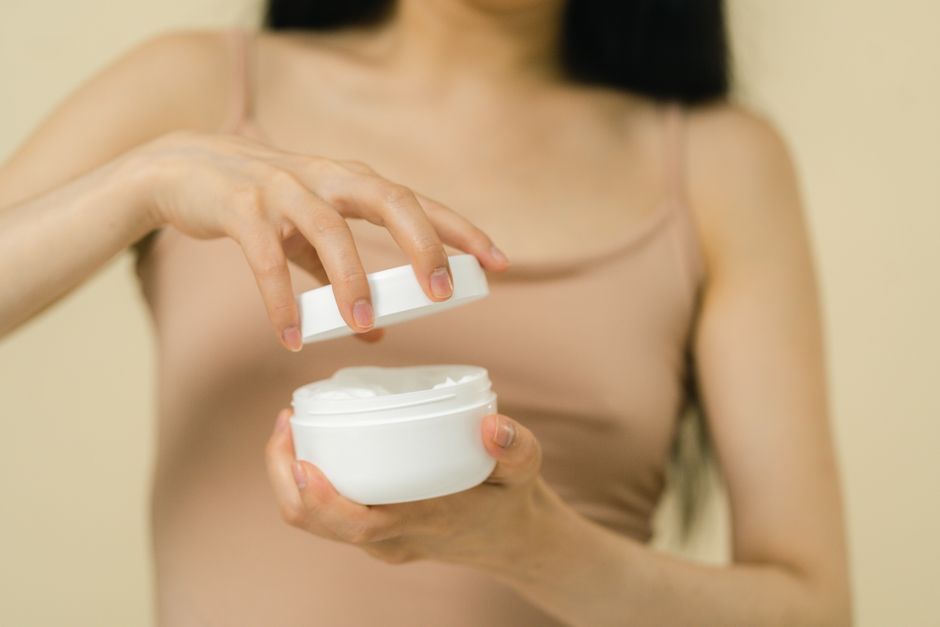
When it comes to achieving radiant, youthful skin, two powerhouse ingredients often vie for attention: Vitamin C serum and Retinol. Both promise brighter, smoother complexions, but each has its unique strengths and potential pitfalls. Let's dissect their differences and help you decide which might be the better fit for your skincare routine.
Vitamin C serum is widely celebrated for its ability to brighten the skin and fade hyperpigmentation. It's a staple in many skincare enthusiasts' routines, especially for those looking to enhance their natural glow. On the other hand, Retinol, a derivative of Vitamin A, is a potent anti-aging player known for its ability to reduce fine lines and encourage skin cell turnover.
In Nigeria, where the climate can impact skin health significantly, knowing the right choice can make all the difference. With these considerations in mind, let's explore these two options.
Understanding Vitamin C Serum
What Makes Vitamin C Special?
Vitamin C is a powerful antioxidant that helps protect the skin from environmental stressors like pollution and UV rays, which are particularly relevant in bustling urban areas like Lagos. It promotes collagen production, which is essential for maintaining skin elasticity and firmness.
Expert Tip: "For best results, opt for a Vitamin C serum with a concentration between 10-20%. Anything above that might cause irritation, especially if you have sensitive skin," advises Dr. Nkechi Onwughalu, a Lagos-based dermatologist.
Application and Benefits
Apply your Vitamin C serum in the morning before sunscreen to maximize its protective benefits. Regular use can lead to a noticeable improvement in skin tone and texture.
- Brightening: Helps fade dark spots and enhance natural radiance.
- Anti-Aging: Encourages collagen production, reducing the appearance of wrinkles.
- Protective: Shields against environmental damage.
Potential Drawbacks
While Vitamin C is generally well-tolerated, it can sometimes cause redness or a tingling sensation, particularly when first introduced into a skincare regimen. Also, its stability can be an issue; exposure to light and air can degrade its effectiveness.
Diving into Retinol
The Power of Retinol in Skincare
Retinol is highly regarded for its ability to accelerate skin renewal, fade fine lines, and improve overall skin texture. In the humid Nigerian climate, Retinol can help manage oil production, reducing the occurrence of acne.
Key Takeaway: Retinol can be a bit intense, so it's wise to start with a lower concentration (around 0.25% to 0.5%) and gradually increase as your skin adapts.
Application and Benefits
Retinol is best applied in the evening, as sunlight can degrade its effectiveness. Begin by using it two to three times a week and increase frequency as tolerated.
- Anti-Aging: Promotes cell turnover and reduces the appearance of fine lines.
- Acne Control: Helps unclog pores and prevent breakouts.
- Improves Texture: Smoothens and refines skin surface.
Potential Tradeoffs
Retinol can cause dryness and irritation, especially for those with sensitive skin. It's crucial to follow up with a moisturizer to mitigate these effects. Additionally, your skin may become more sensitive to the sun, necessitating diligent sunscreen use.
Comparing the Two: Vitamin C vs. Retinol
Effectiveness for Different Skin Concerns
Both Vitamin C and Retinol have their strengths, but the choice depends on your specific skin goals. If brightening and protection are your primary concerns, Vitamin C is unparalleled. However, if you're focusing on anti-aging and texture refinement, Retinol might be your go-to.
Using Them Together
While these two ingredients can complement each other, it's essential to introduce them into your routine slowly to avoid irritation. Consider alternating their use or layering them carefully, with Vitamin C in the morning and Retinol at night.
Choosing the Right Product for Your Skin
Consider Your Skin Type
If your skin is dry or sensitive, a lower concentration of either ingredient is advisable. Those with oily or acne-prone skin might benefit more from Retinol's oil-regulating properties.
Seek Professional Advice
Consulting with a dermatologist can provide personalized recommendations and help avoid adverse reactions.
Final Thoughts
Both Vitamin C serum and Retinol offer compelling benefits, but knowing your skin type and goals will guide you to the best choice. Whether you aim for a brighter complexion or wish to diminish fine lines, these ingredients can significantly impact your skincare journey. Always remember, patience and consistency are key. Happy glowing!