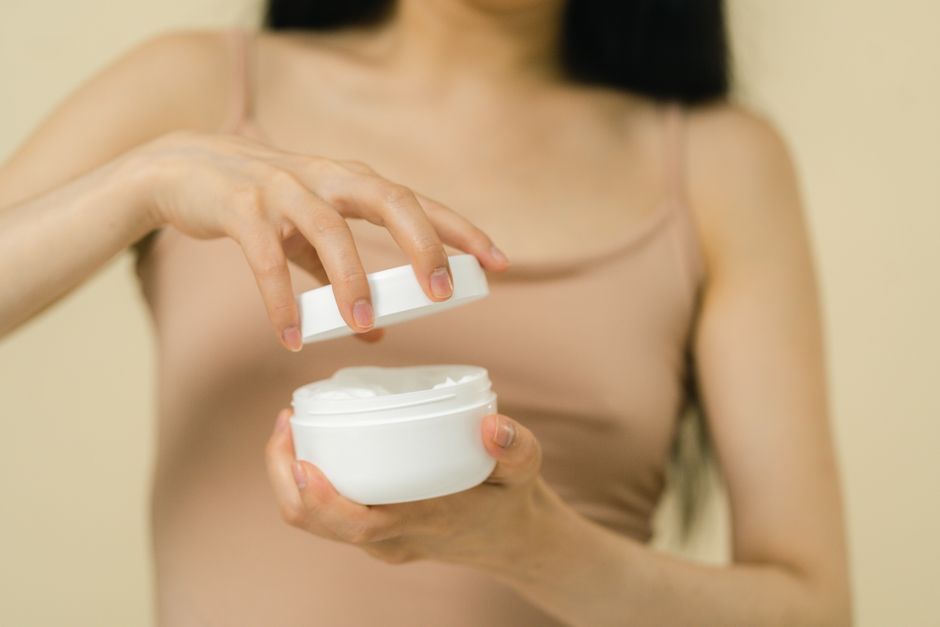
Your skin feels tight, flaky, and just plain uncomfortable. You've tried every moisturizer on the market, from the most luxurious brands to the simplest organic concoctions, yet nothing seems to work. You're not alone. Many people find that the obvious solutions aren't enough to combat chronic dryness, especially in the African climate where heat and humidity can be deceptive. If your moisturizer isn't cutting it, here's a troubleshooting guide for when you need to think outside the jar.
Evaluate Your Current Skincare Routine
Check the Ingredients
Start by taking a closer look at what's in your moisturizer. Many products contain alcohols or fragrances that can strip the skin of its natural oils. Opt for products rich in humectants like glycerin or hyaluronic acid, which draw moisture into the skin.
Layering is Key
Sometimes, it's not about the moisturizer, but how you're using it. Try layering your products, starting with a hydrating serum followed by a face oil and then your moisturizer. This method locks in moisture and creates a barrier against environmental stressors.
Explore Alternative Hydration Methods
Humidifiers in Your Environment
Using a humidifier in your bedroom or office can make a significant difference. By increasing the humidity levels in the air, you can help your skin maintain its moisture throughout the day.
Face Mists
Keep a face mist on hand for a quick hydration boost. Look for products containing soothing ingredients like aloe vera or rose water. A simple spritz can refresh your skin instantly.
Diet and Hydration
Water-Rich Foods
Incorporate foods high in water content such as cucumbers, watermelon, and oranges into your diet. These not only keep you hydrated but also provide essential vitamins and minerals for the skin.
Herbal Teas
Green tea and chamomile tea are excellent for staying hydrated and fighting inflammation. They can also be applied topically for additional skin benefits.
Consulting a Professional
Skin Analysis
Sometimes, self-diagnosis isn't enough. Consulting a dermatologist for a professional skin analysis can provide insights you might not have considered. They can recommend treatments like hydrating facials or prescribe medicated creams tailored to your skin type.
Allergy Testing
If your skin issues persist, consider allergy testing. You might be reacting to an ingredient you hadn't suspected, which could be exacerbating your dryness.
Final Thoughts
When the usual methods fail, it's essential to keep an open mind and explore alternative solutions. Hydration is a holistic process that involves more than just topical products. By understanding and adapting to your skin's unique needs, you can achieve a healthy, glowing complexion. Remember, sometimes the best solutions come from the most unexpected places.